VISUAL ECOLOGIST & MATERIAL EXPLORER

Textological Relation
![[Com]post book](data:image/svg+xml;base64,PHN2ZyB4bWxucz0iaHR0cDovL3d3dy53My5vcmcvMjAwMC9zdmciIHg9IjAiIHk9IjAiIHZpZXdCb3g9IjAgMCAxNDM3IDk1OSIgd2lkdGg9IjE0MzciIGhlaWdodD0iOTU5IiBwcmVzZXJ2ZUFzcGVjdFJhdGlvPSJub25lIj48cmVjdCBmaWxsPSIjODU2ZjJmIiB3aWR0aD0iMTAwJSIgaGVpZ2h0PSIxMDAlIi8%2BPC9zdmc%2B)
[Com]post book

RErun

CULTORE

GROWinK

M.Y.C.O

Occult Enigma

HERBICOUS ALCHEMY
Heat Hijacked

Pls give a sh*t

mole mold
Artificial Embryo
The mutation of Thai handicraft
![[Com]post book](assets/images/gallery01/73067dbd.jpg?v=c9c3c2cf)





Punxh Peerasin Hutaphaet is a London-based material innovation designer exploring the intersection of biology, sustainability, and visual communication. Through his ongoing project Growink, he develops living inks made from fungi and nature-based systems — reimagining how we print, color, and communicate.Peerasin’s work transforms visual media into living, biodegradable processes that decompose, regenerate, and return to the earth. By merging ecological systems with design, he uses color as a language to reflect on impermanence, natural cycles, and renewal — crafting materials that not only tell stories but actively participate in them.
PLS GIVE a SH*T
Bio-materials ·Jewellery Design · Bio patina
Have you ever had a day
where bad luck just won't let go,
following you like a shadow?Picture a moment when you decide to DON’T GIVE A SH*T.
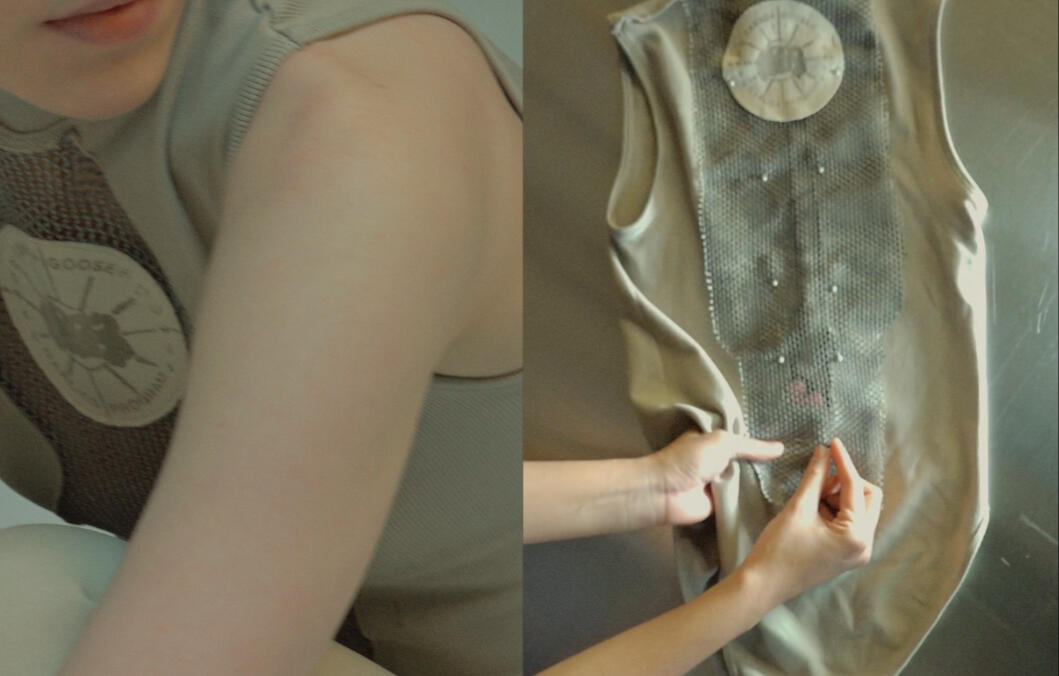
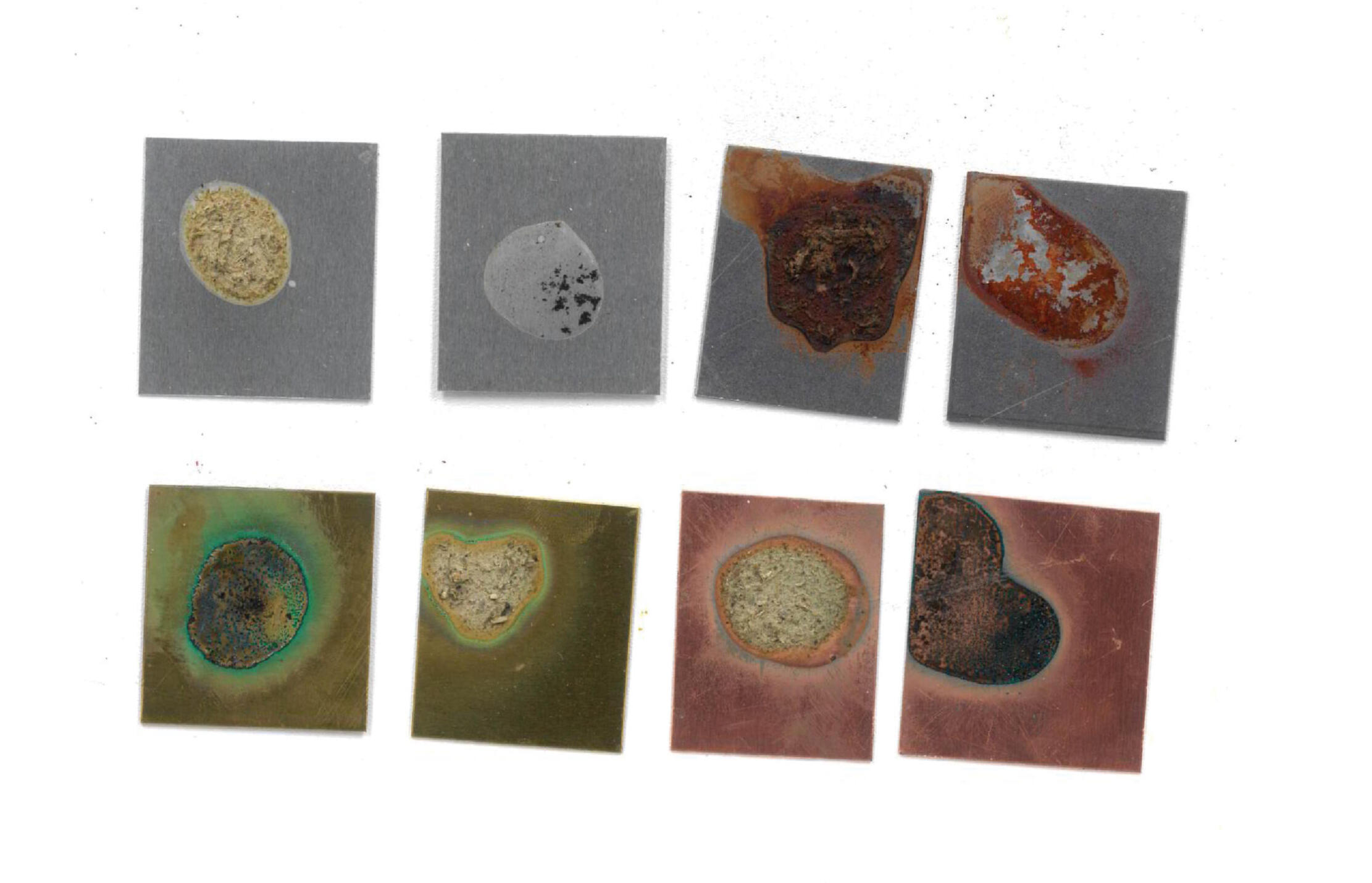
Now, imagine a peculiar event – a pigeon, sensing your surrender, adds a twist to your day by leaving its droppings, commonly thoughtto bring good luck. What makes this unexpected meeting interesting is the interaction between the bird droppings and a specific metal, copper. Bird droppings, rich in uric acid and ammonia, set off chemical reactions, resulting in a unique color on copper surfaces.This discovery sparks a creative journey – the development of jewelry inspired by bird shapes. These carefully crafted pieces, meant for areas prone to bird droppings like the shoulder,shoes, or wrist, represent a fusion of art and science.
The final jewelry, shaped like birds excreation dropping and featuring a special color, symbolizes unexpected beauty emerging from what initially seemed like misfortune. What distinguishes these pieces is their intentional design – avoidingdirect contact with the wearer's skin, they attach to other items, creating a visually captivating change
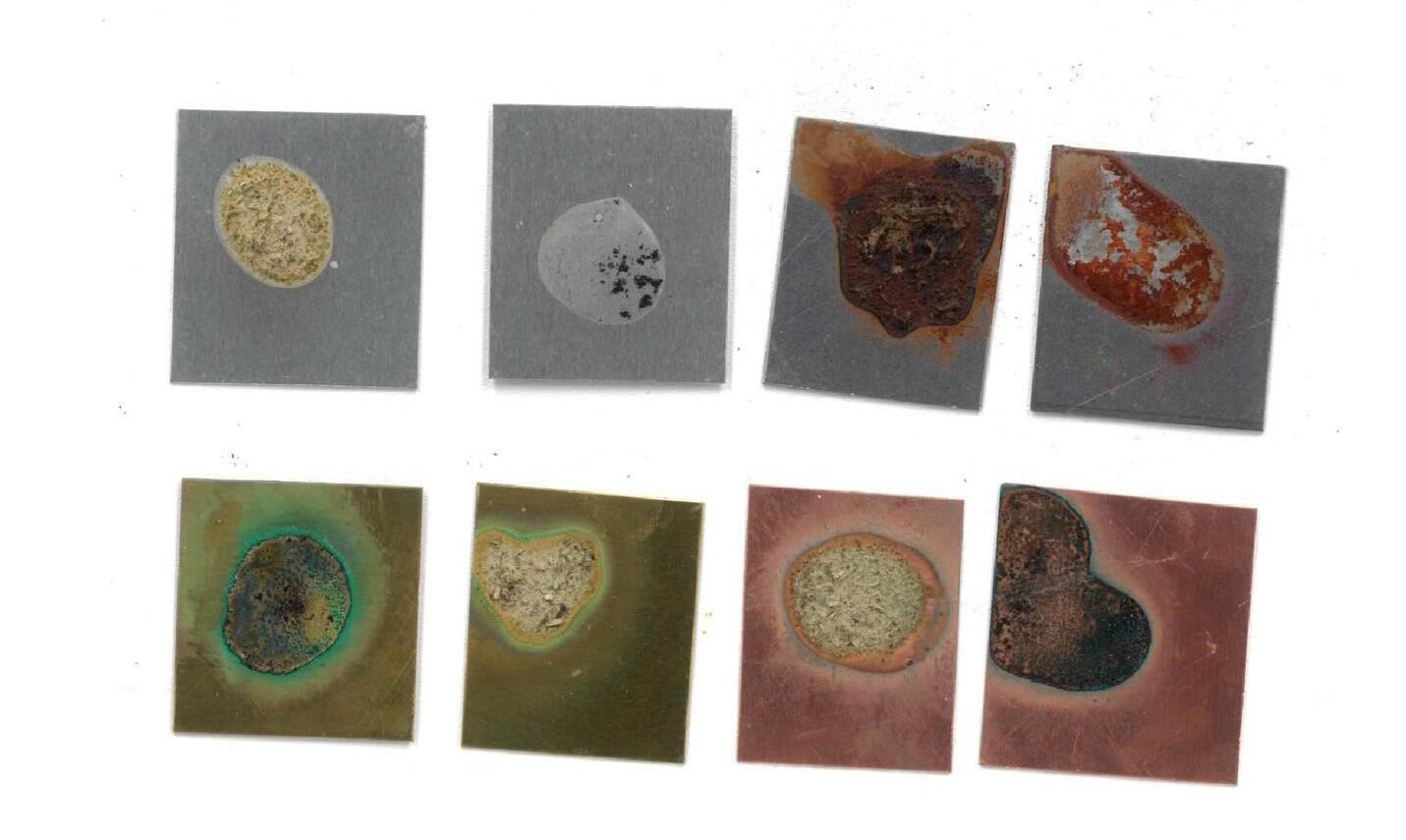
In essence, the story unfolds from a day filled with persistent bad luck to the creation of tangible, wearable art. It stands asevidence of the transformative potential in unexpected events,challenging traditional ideas about luck and turning a negativeexperience into a source of inspiration. This journey not only connects superstition, chemistry, and aesthetics but also prompts reflection on the deep ties between the unexpected and the beautiful, encapsulating a narrative that spans from the ordinary to the extraordinary.


COMPOST BOOK
Bio-materials · Bio-inks · Microbial Pigments
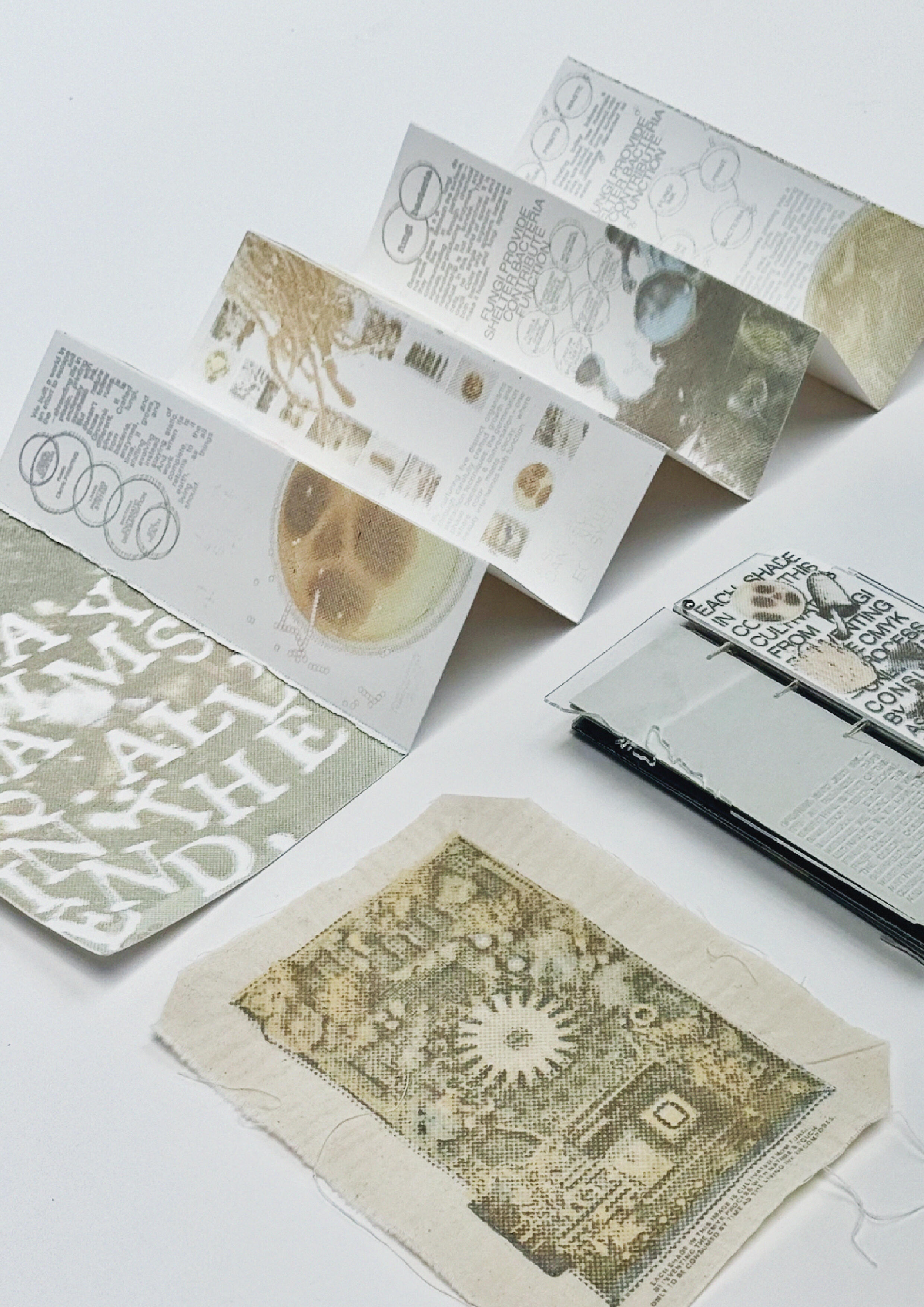
Living Matter, Shaping Futures” is back on view to the public until November 1st, 2026 in the Brooklyn Army Terminal, Building A Main Lobby.[com] post book, presents printed works by artists from Chile and Thailand that employ bacterial cellulose, algae-based substrates, and fungi-derived inks to explore the book as an organic form open to processes of decay.In celebration of NYC's Climate Week & NYCEDC’s climate and circular economy initiatives at the Brooklyn Army Terminal, Living Matter, Shaping Futures brings together artists and researchers whose practices bridge biology, technology, and design to imagine how new material frontiers and multispecies perspectives might redefine the future.
M.Y.C.O (2025)
Bio-materials · Bio-inks · Microbial Pigments
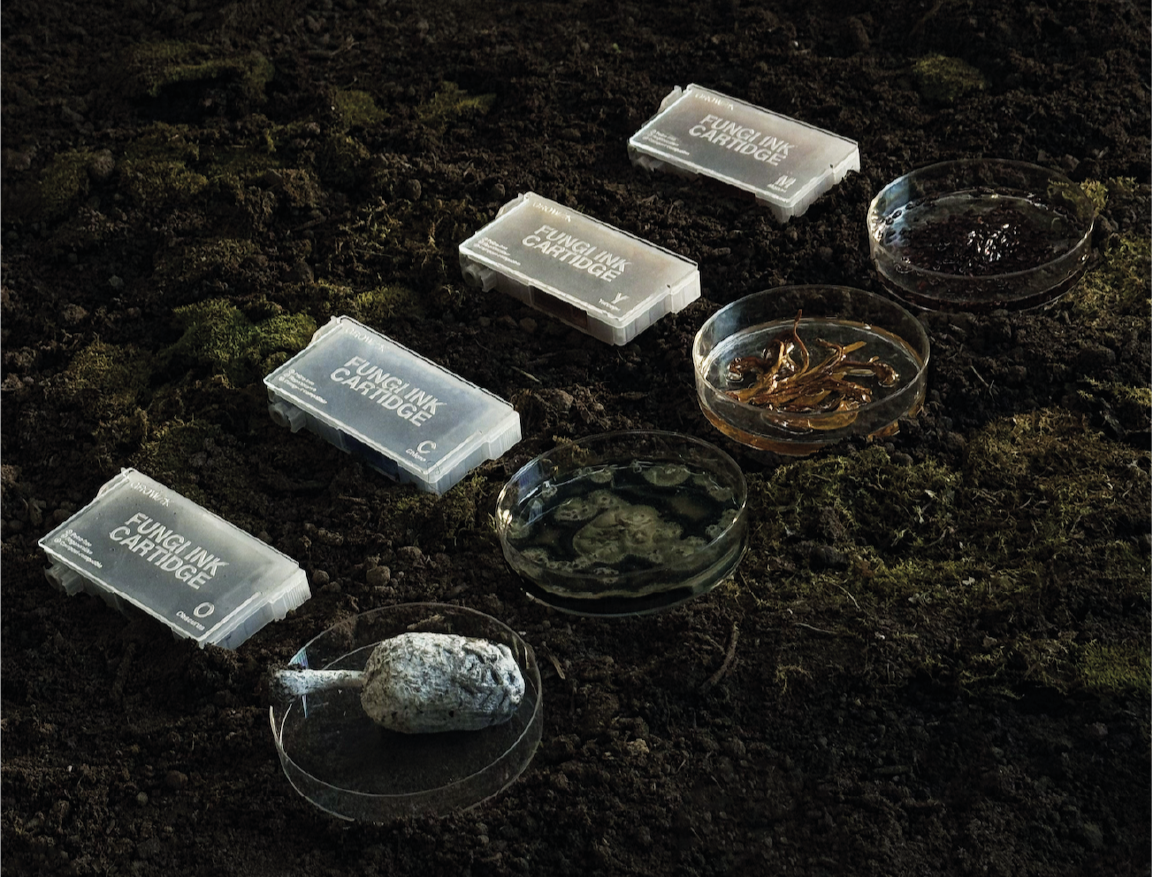
MYCO is the bio-ink material system developed through GROWinK, using microorganisms as a source of colour. Fungal pigments are cultivated and processed into printable inks, exploring how different species can produce cyan, magenta, yellow, and black tones. The research focuses on pigment extraction, ink formulation, stability, filtration, and printability, translating biological colour into a practical printing medium. MYCO investigates how living systems can become not just a source of inspiration, but an active material resource for graphic production.
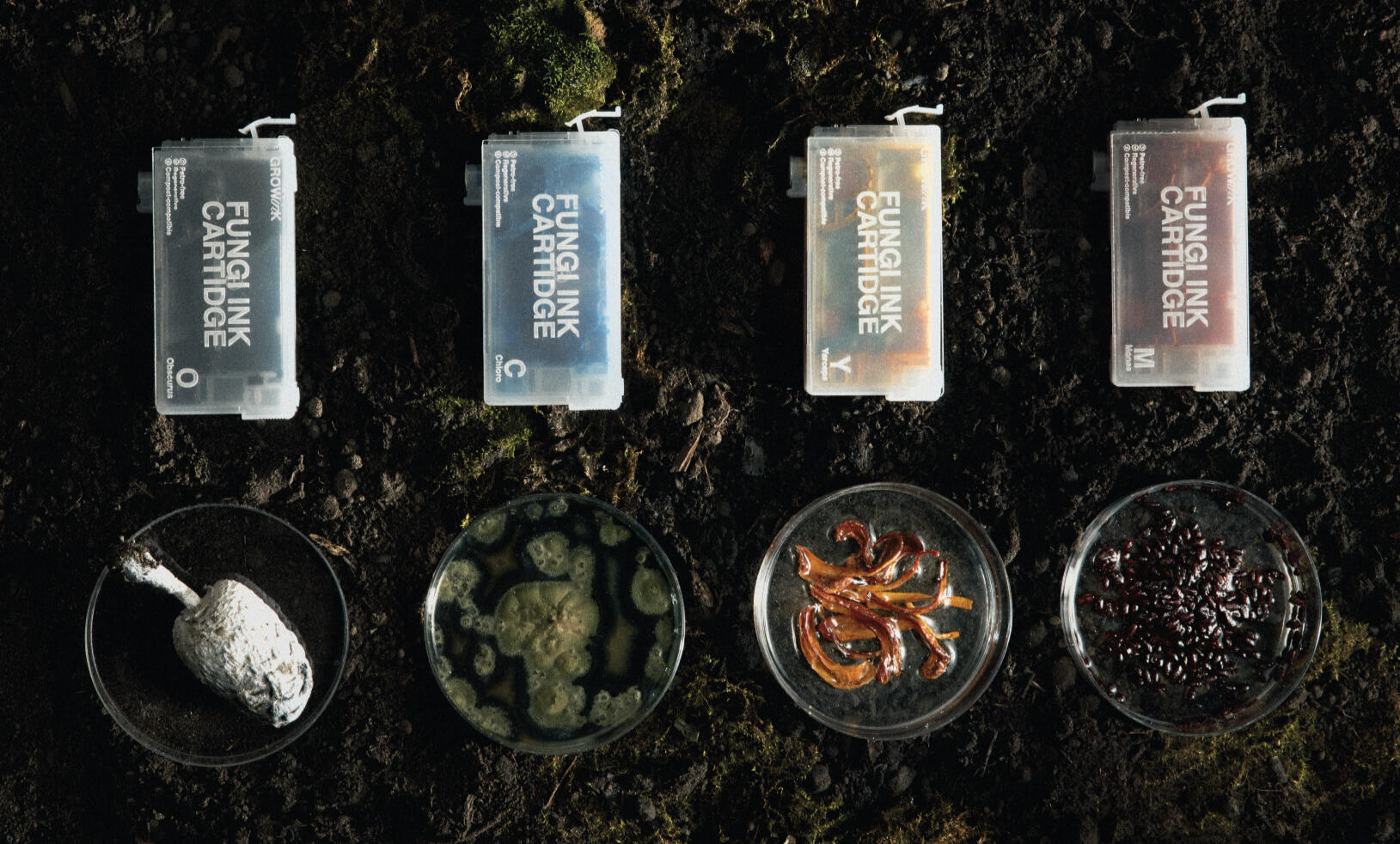
FUNGI EMBODY COLORMYCO is an innovative fungi-based ink system developed within the GROWinK project. Inspired by the natural stages of fungal growth—from spores to mycelium to fruiting bodies—MYCO creates vibrant, natural colors that replicate the traditional CMYK model without relying on petroleum-based chemicals. This breakthrough transforms printing into a sustainable, regenerative process, perfectly aligned with GROWinK’s vision of eco-friendly, living ink.
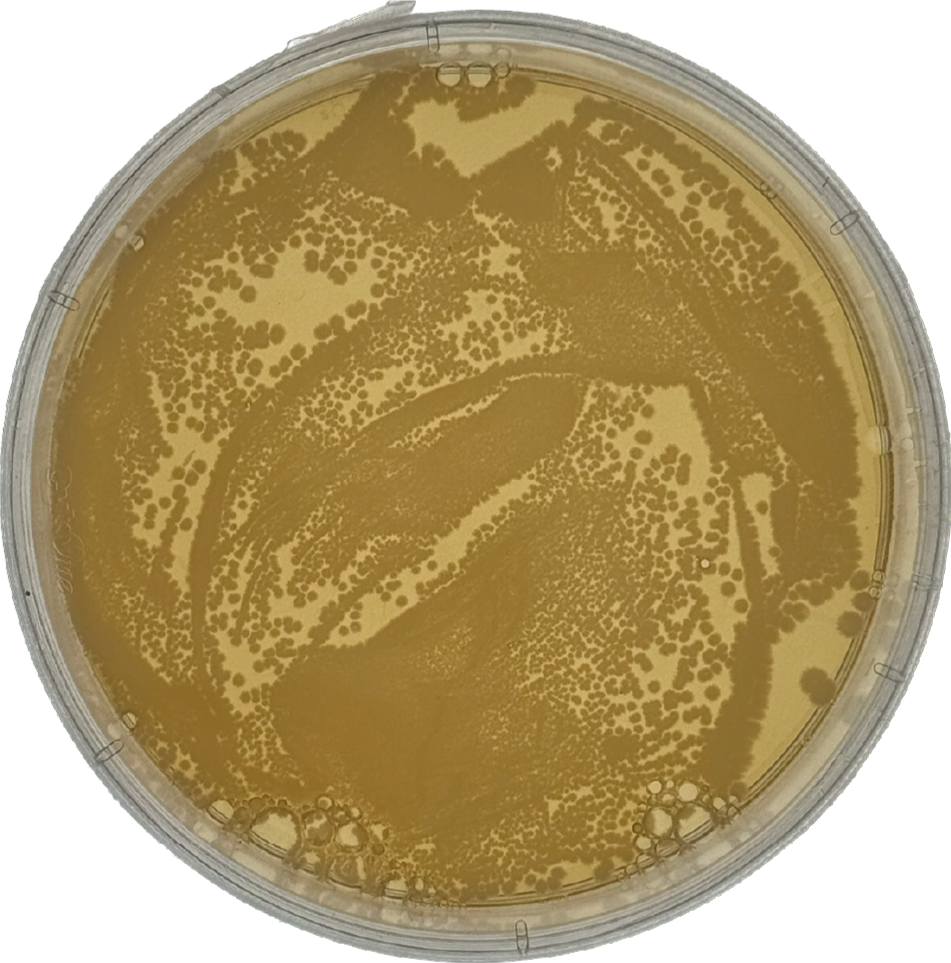
BACTERIA EMBODY DECAYBacillus subtilis is a type of bacteria that looks like a small rod and stains positive in a special test called Gram stain. It is commonly found in soil and inside the stomachs of humans and animals. Sometimes, it’s called hay bacillus or grass bacillus. This bacteria can make strong, protective spores that help it survive tough conditions like heat or dryness. It moves using tiny tails called flagella and produces an enzyme called catalase. Scientists often study Bacillus subtilis because it can make useful enzymes and change into different forms, especially spores.
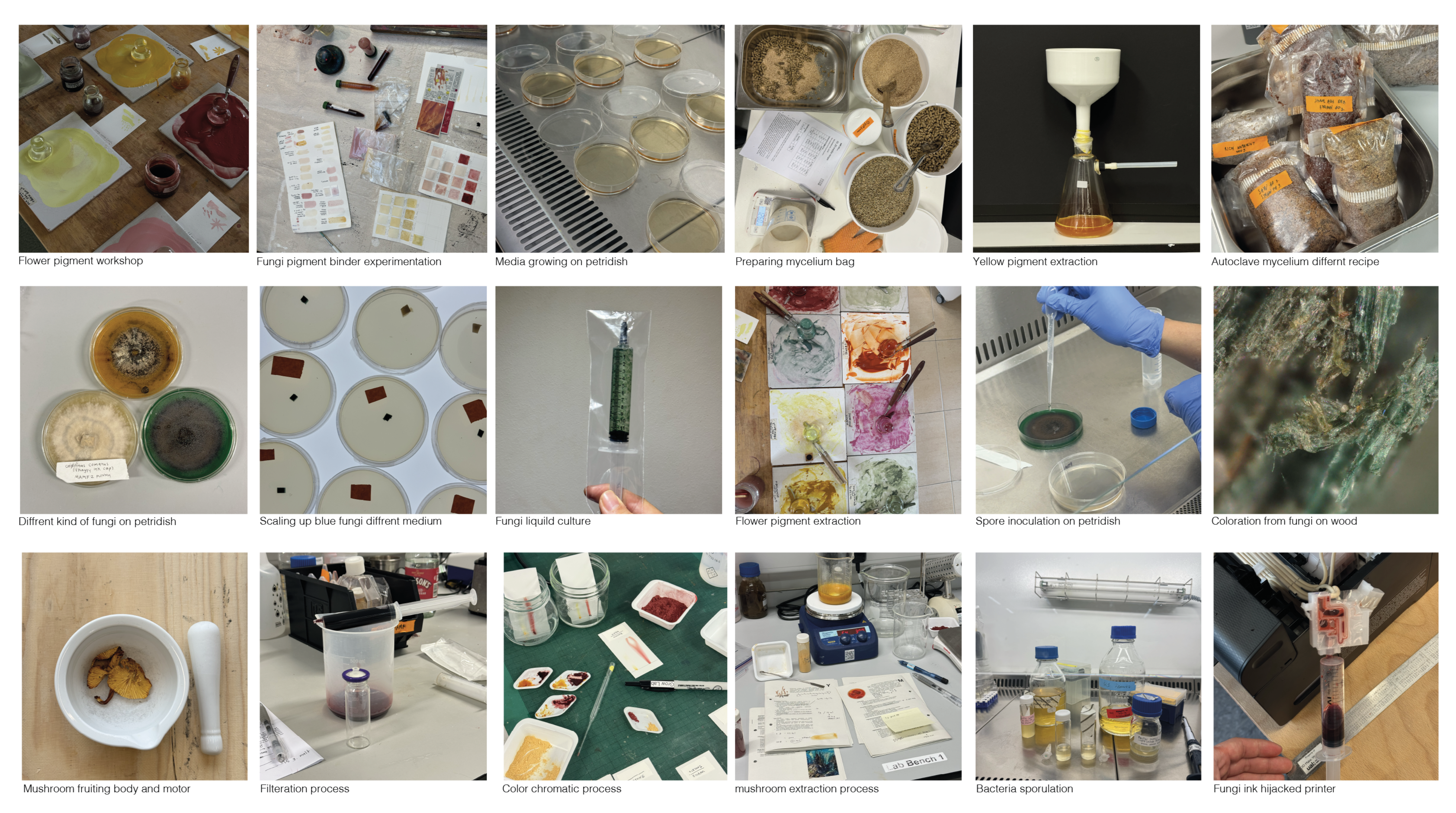
GROWinK (2025)
Bio-design · Circular Design · Living Systems
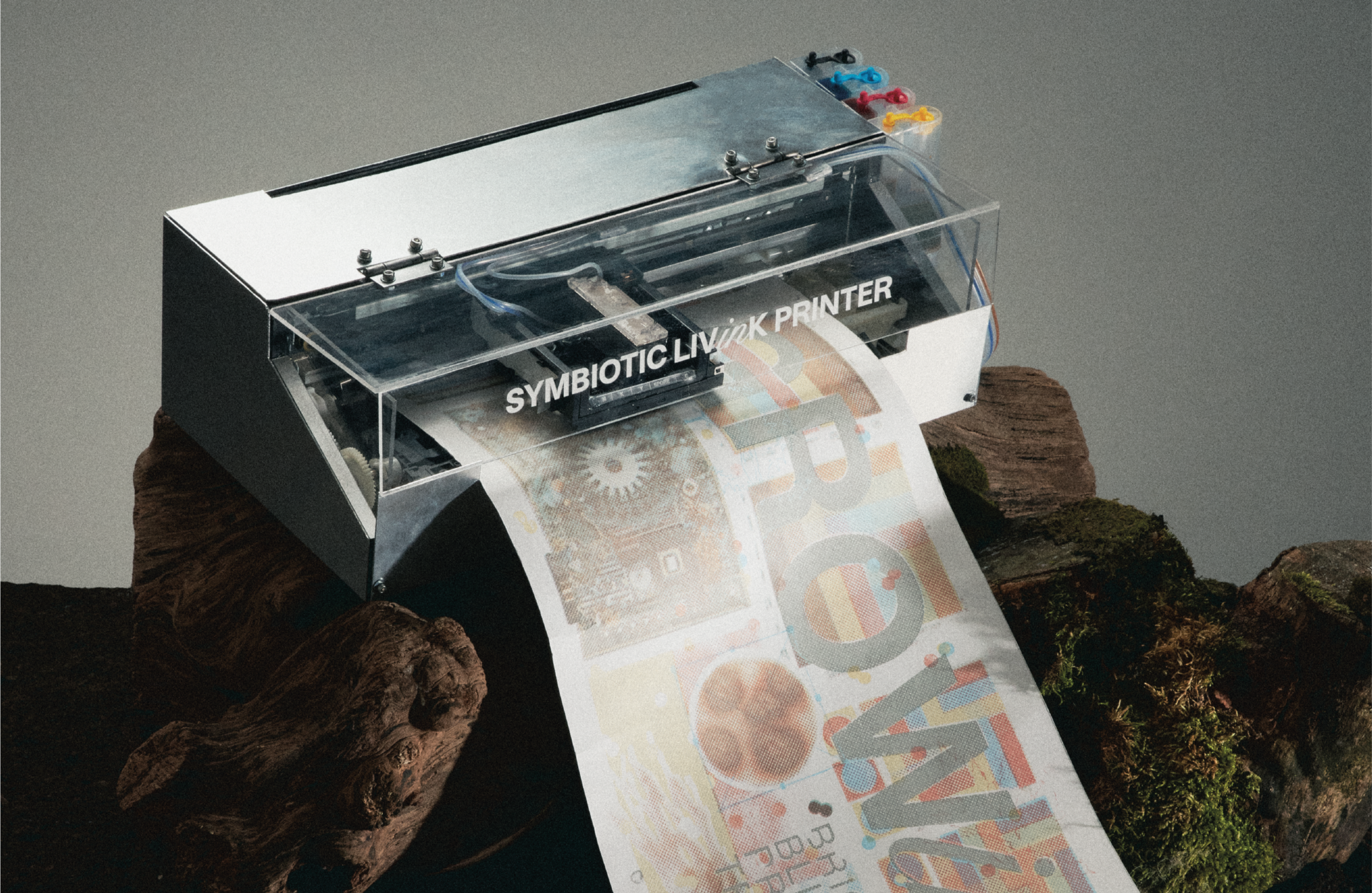
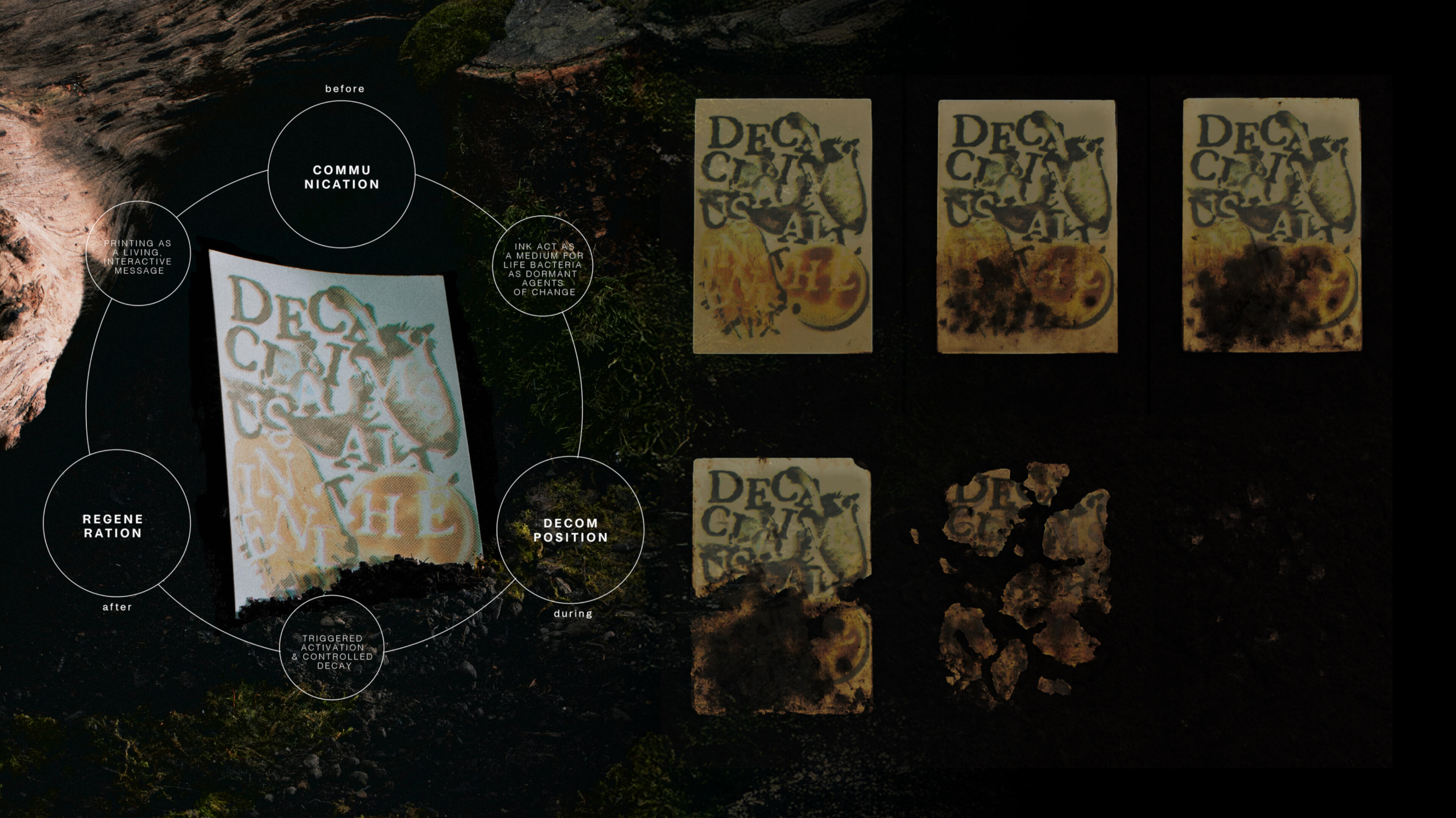
GROWinK is a bio-based printing system that explores how living microorganisms can transform the lifecycle of printed matter. The project investigates fungi and bacteria as alternatives to petroleum-derived inks and synthetic materials, developing a printing system designed not only for production, but also for eventual biological breakdown. By combining microbial pigments with biodegradable processes, GROWinK proposes a different model for temporary graphics, packaging, textiles, and printed matter—where materials are designed with their end of life in mind.
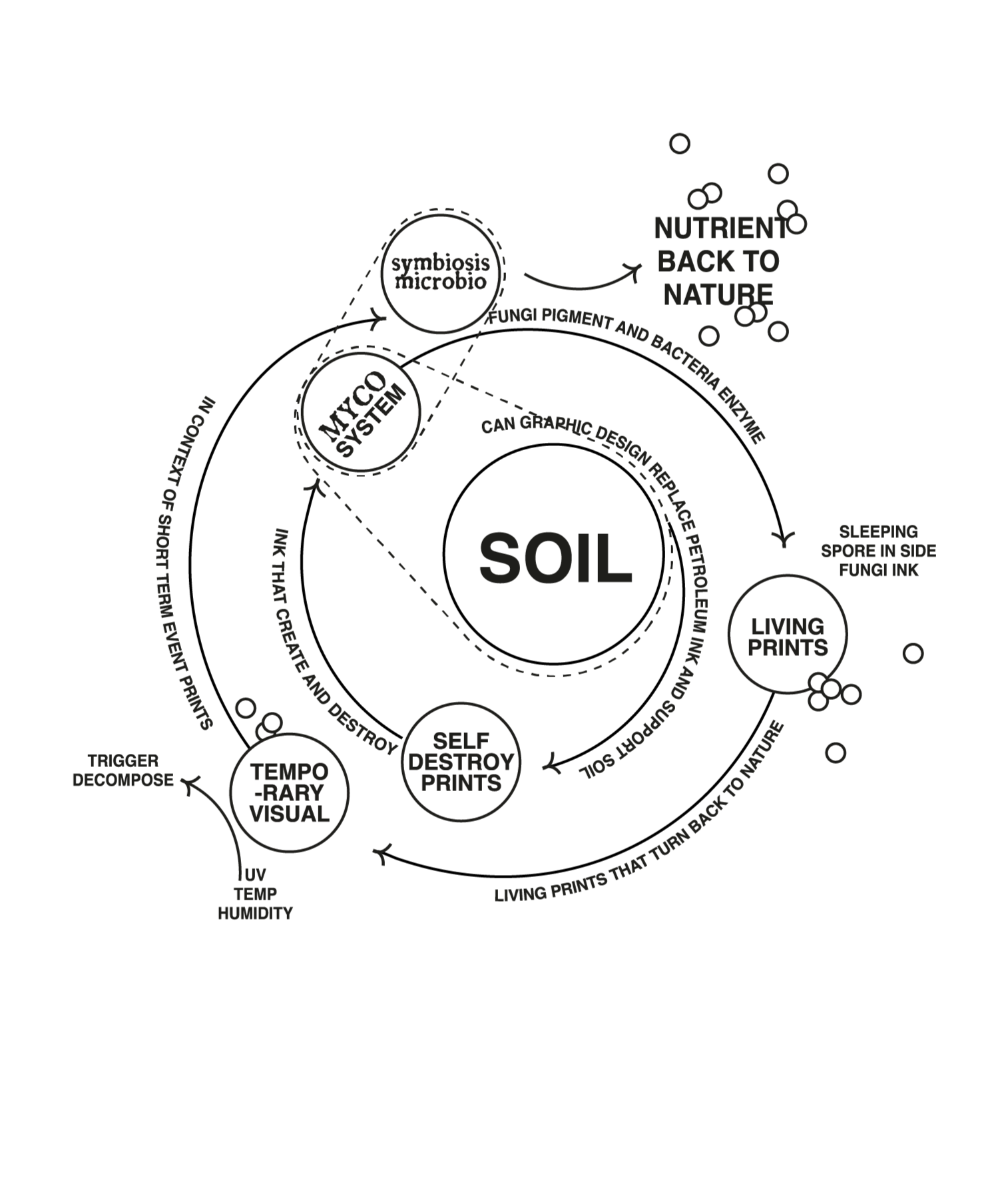
Growink begins as a familiar object — a printed poster, a leaflet, a label — but embedded within it is something radically different: life. Each print carries living organisms, held in suspension within fungal ink. They remain dormant, waiting silently beneath the surface. This print has purpose beyond the moment it communicates — it is designed to vanish, to decay, and to give back.When the print is no longer needed and finds its way to soil, the transformation begins. Natural environmental conditions — moisture from rain, warmth from sunlight, the right level of pH and exposure to microbes — act as triggers. These conditions wake the dormant bacteria embedded in the ink. Once active, they begin to release enzymes that break down synthetic polymers — cutting complex plastic molecules into simpler, biodegradable forms. What was once a communication tool becomes a host for decomposition, feeding the earth instead of harming it.This is not just a material — it’s a living cycle. From the soil, to message, and back again. Growink challenges the idea that print must be permanent to be powerful. It reimagines communication as something ephemeral, purposeful, and regenerative. In a world overwhelmed by waste, this system offers a quiet alternative: a print that disappears on time. A message that completes its life with dignity, by nourishing the place it came from.
TEXTOLOGICAL RELATION ( 2026)
Visual Research · Anthropocene · Ecological Relations.
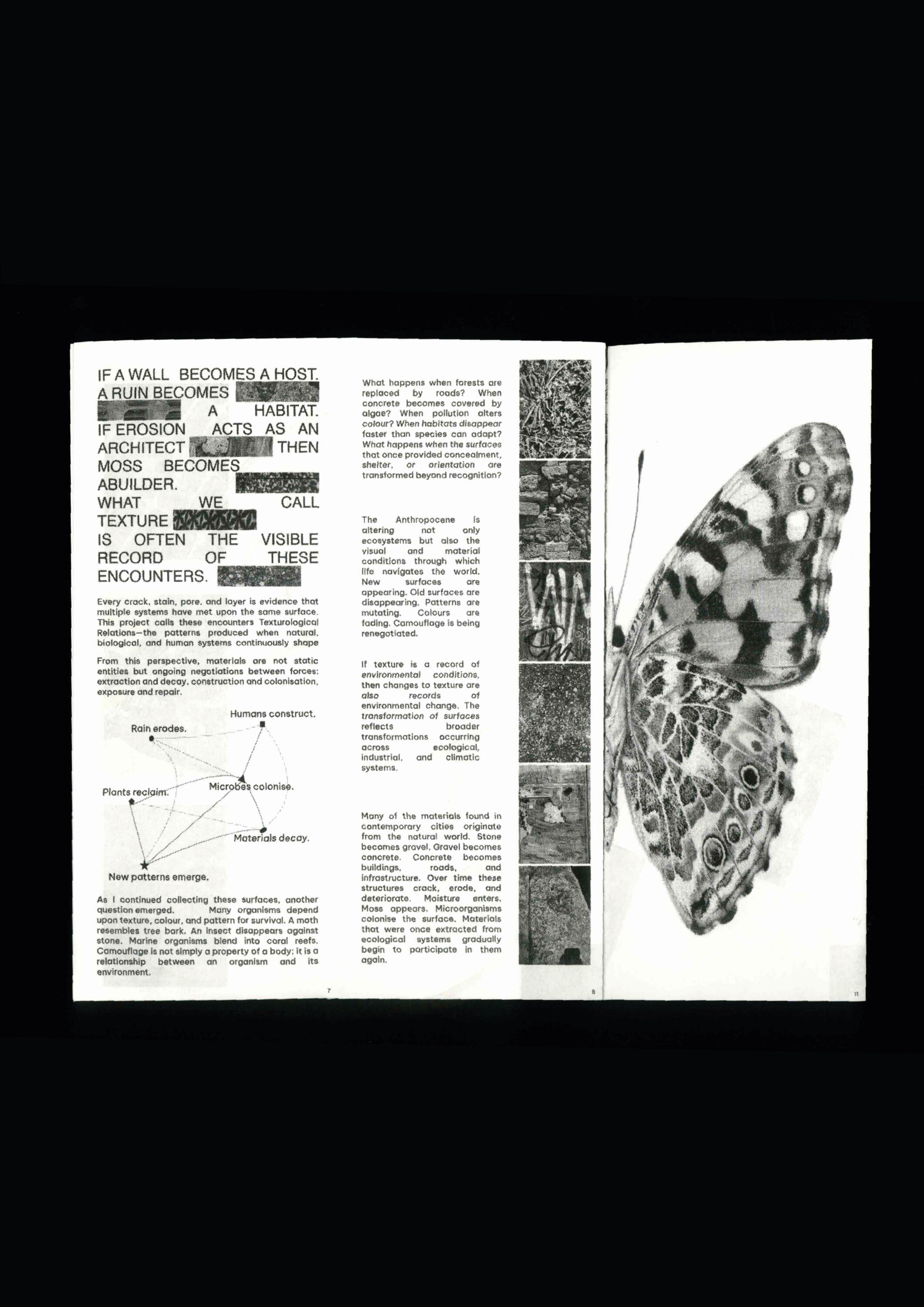
If texture is continually rewritten by human activity, how are the visual languages of survival rewritten alongside it?The Anthropocene transforms not only landscapes but also the colours, patterns, and surfaces through which life becomes visible. By collecting fragments from both natural and constructed environments, this zine explores the relationships between erosion, colonisation, construction, and decay.As the distinction between natural and artificial surfaces becomes increasingly blurred, these textures reveal ongoing processes of adaptation and transformation. The collected fragments become a starting point for investigating camouflage, visual ecology, and the evolving relationships between living organisms and their changing environments.Rather than offering conclusions, each surface acts as a trace of the histories, encounters, and material processes that continue to shape the world around us.
I was looking for a pause from the intensity of city life and a place where I could reconnect with my creative process. What I found at Studio Meridional was much more than that. The residency provided both the physical and mental space to develop ideas, reflect on my research, and experiment without pressure.Living in a different environment rather than simply visiting it allowed me to experience a new rhythm of daily life, which opened unexpected perspectives and inspired new directions for my work.During my stay, I was able to deepen my research and successfully complete a zine that documents part of my ongoing investigation into patterns, ecological relationships, and environmental observation


OCCULT ENIGMA (2024)
Material Narrative , Bio Design, Performance Practice
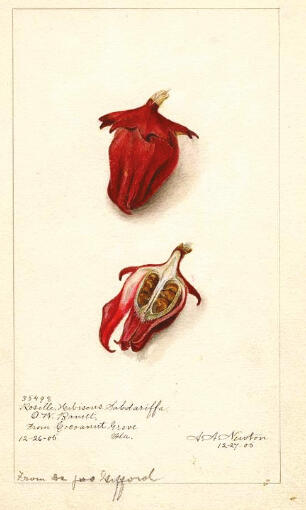
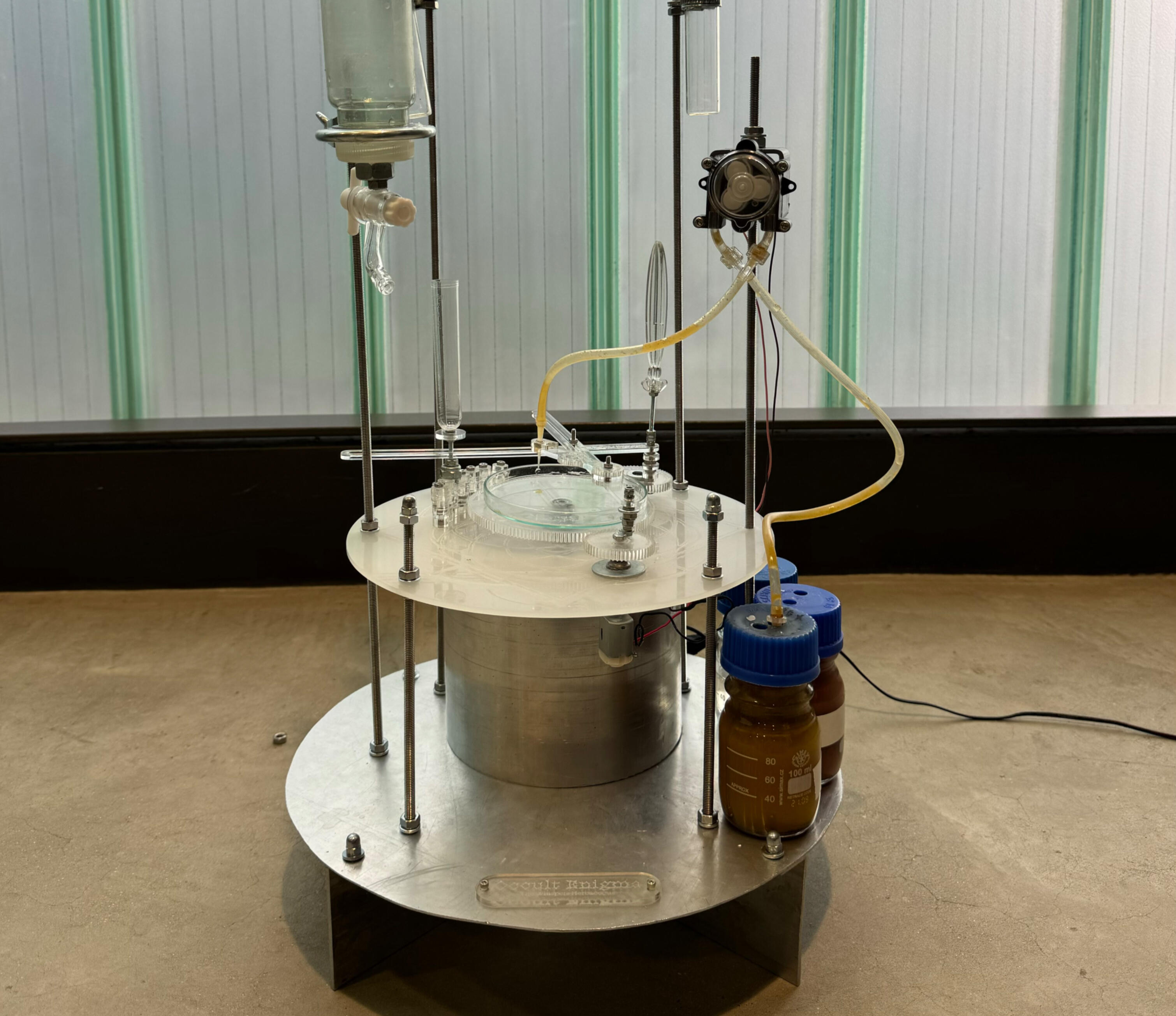
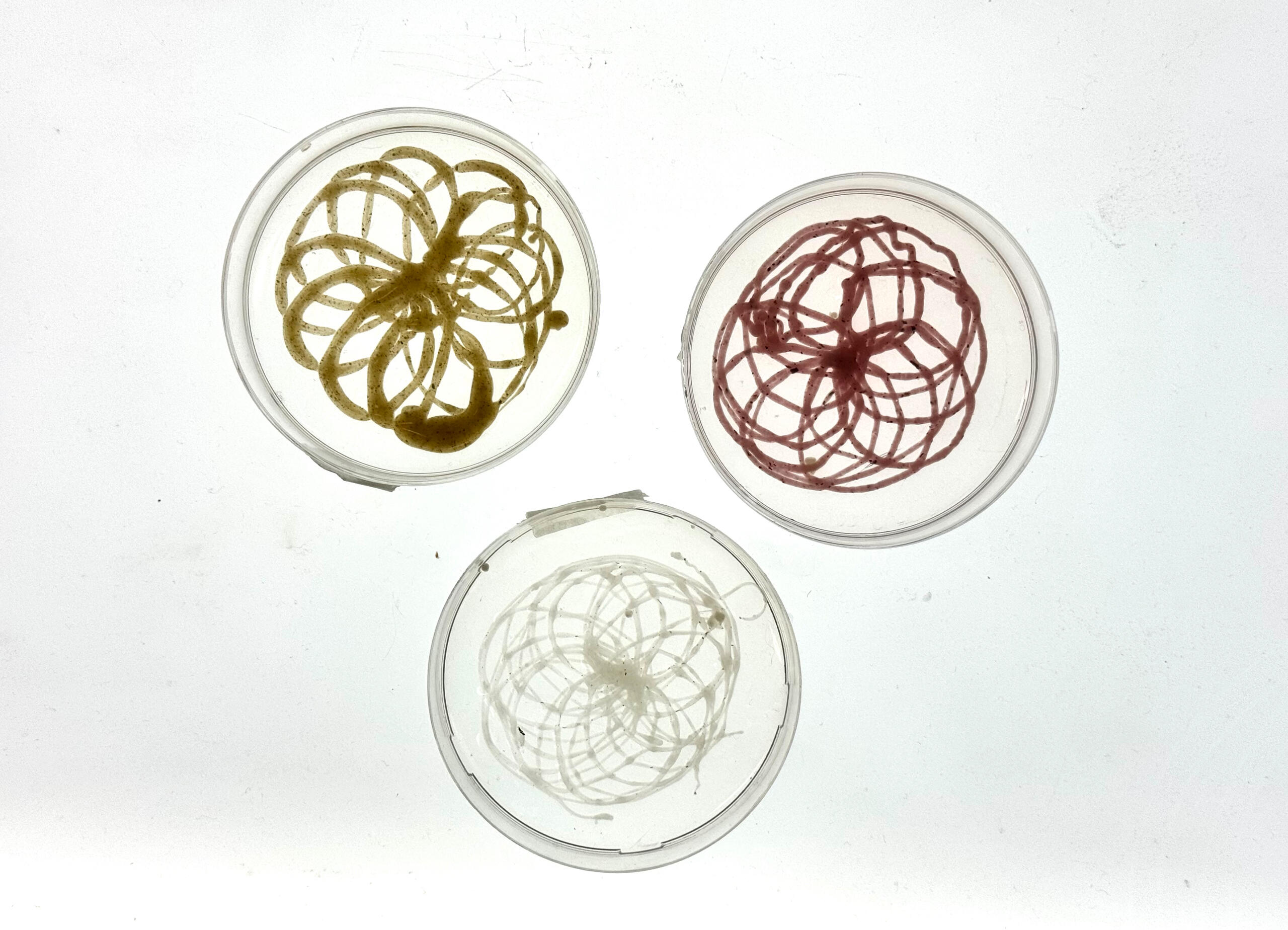
Occult Enigma is the following project from Hibiscus Alchemy explores the healing and spiritual properties of herbs such as Lavender, Hibiscus, and St. John’s Wort, known for their antibacterial, regenerative, and recovery-boosting qualities. These herbs are also tied to spiritual themes of love, protection, and rebirth. This project blends ancient rituals with modern technology to create biodegradable hydrogel bandages through a series of phases.
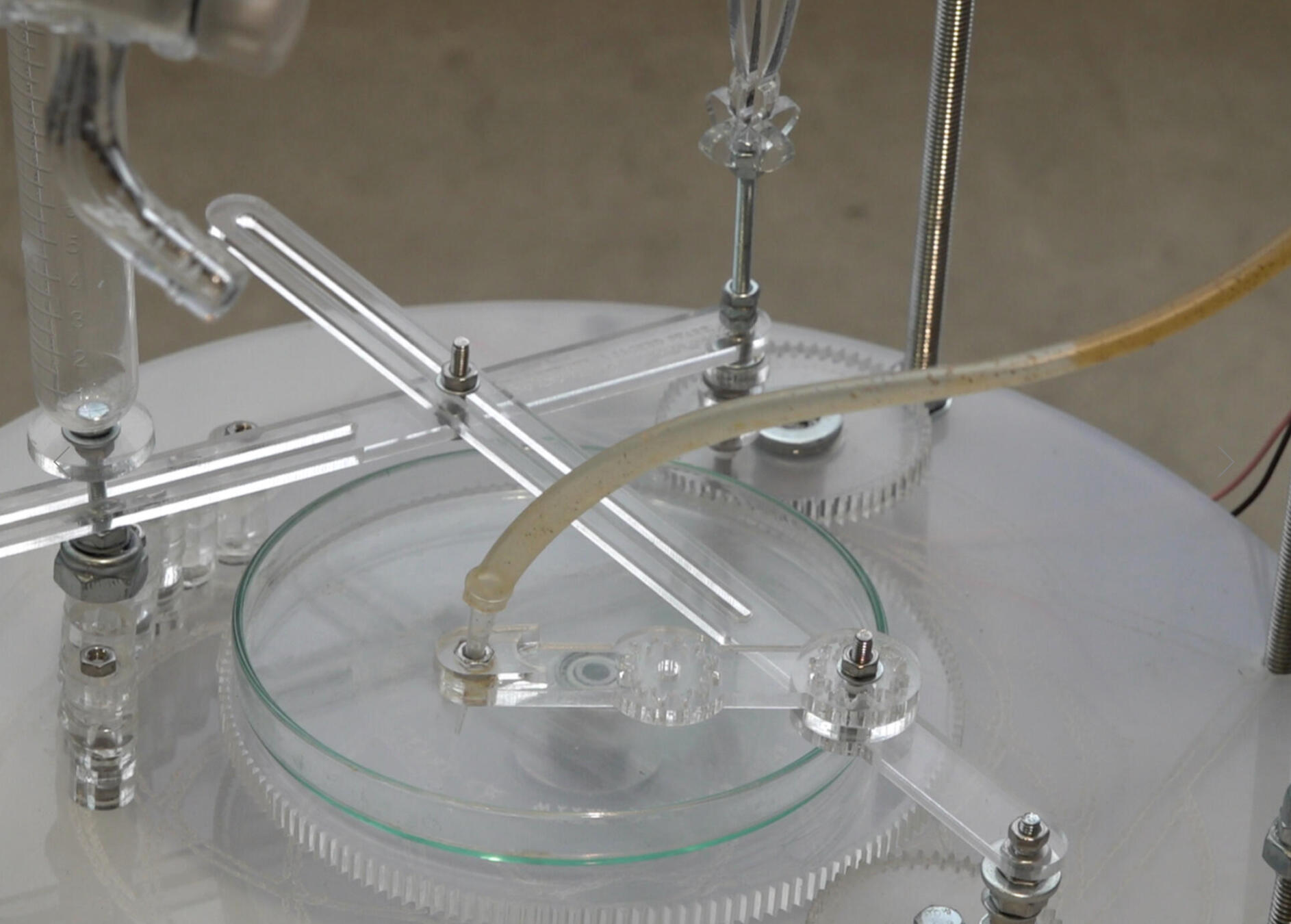
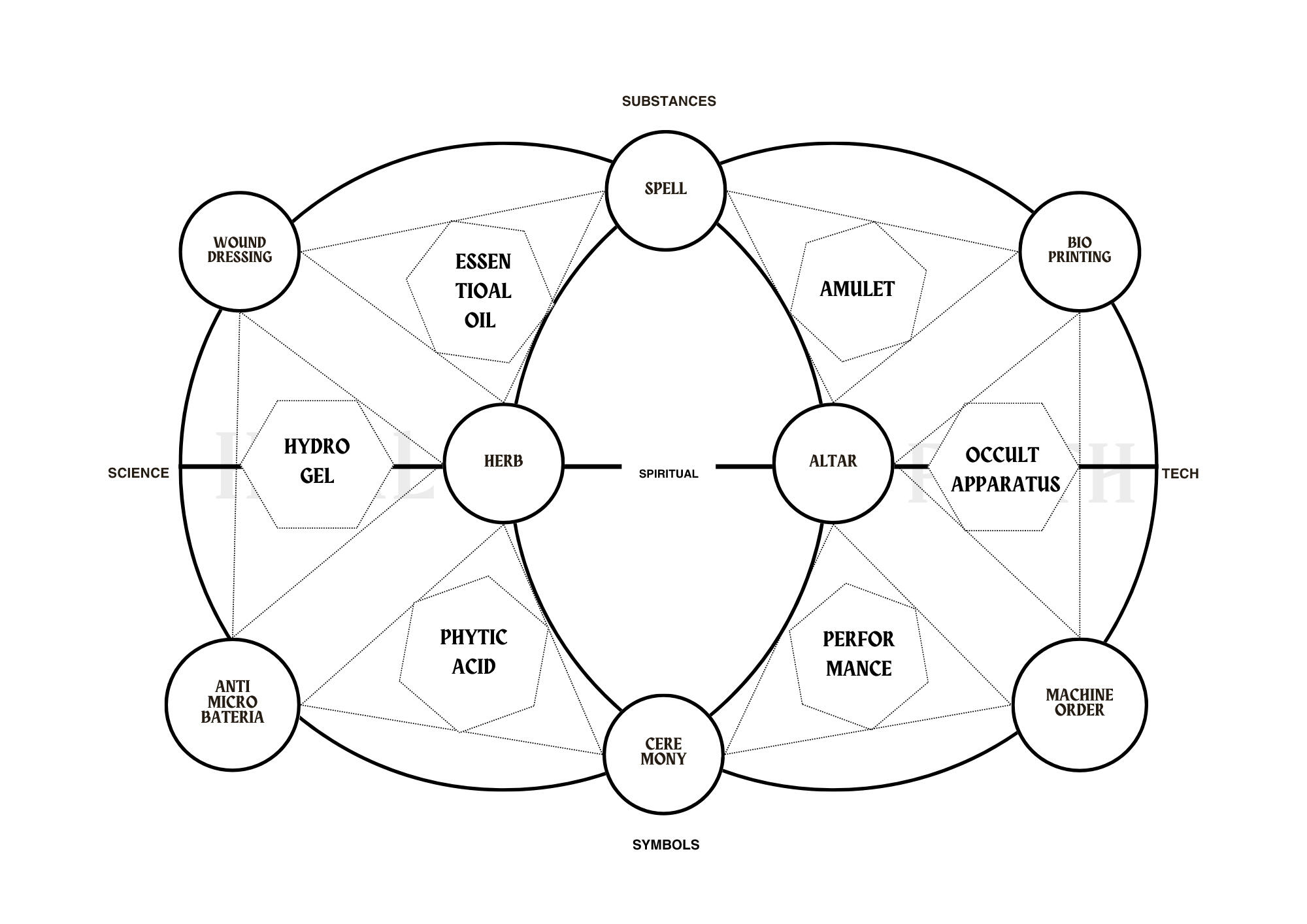
Phase 1: Magic Circle AltarWe begin by creating a representative altar to form a magic circle, following a process that symbolizes the creation of hydrogel bandages. Each element is acknowledged with corresponding materials:Air (East): Incense (herb)
Fire (South): Candle (UV light)
Water (West): Glass of Water (CaCl2)
Earth (North): Salt (drawing nozzle to inject Alginate into a bath)
Phase 2: Ritual Ceremonial PerformanceThe ceremonial performance unfolds in three stages:Extracting Oil from Flowers: The ritual begins with extracting essential oils from Lavender, Hibiscus, and St. John’s Wort.
Spinning via Occult Machine: The oils are then spun into a hydrogel bandage using a spirograph technique, symbolizing ancient occult practices.
Revealing the Bandage: Finally, the completed bandages are revealed through an old projector, adding a mystical element to the process.
Phase 3: Spell and ChorusA spell poem describes each process, interwoven with the chorus of a church song to blend the spiritual and the scientific, enhancing the ceremonial atmosphere.Hibiscus Alchemy aims to deepen our connection to nature's healing power and advance holistic healing methods by combining the wisdom of ancient practices with modern scientific advancements.
HERBICOUS ALCHEMY ( 2024 )
Material Narrative , Bio Design, Performance Practice
Herbaceous Alchemy is a project that pushes the boundaries of how we view healing, blending science, design, and spirituality. It invites us to reconsider healing as something that goes beyond just the physical—it’s an intersection of nature, rituals, and the unseen forces that shape our well-being. By revisiting ancient herbal practices, like those surrounding Lavender and St. John’s Wort, this project reimagines how these age-old remedies can serve in a modern context, bridging the empirical with the mystical.
Herbaceous Alchemy is a project that pushes the boundaries of how we view healing, blending science, design, and spirituality. It invites us to reconsider healing as something that goes beyond just the physical—it’s an intersection of nature, rituals, and the unseen forces that shape our well-being. By revisiting ancient herbal practices, like those surrounding Lavender and St. John’s Wort, this project reimagines how these age-old remedies can serve in a modern context, bridging the empirical with the mystical.
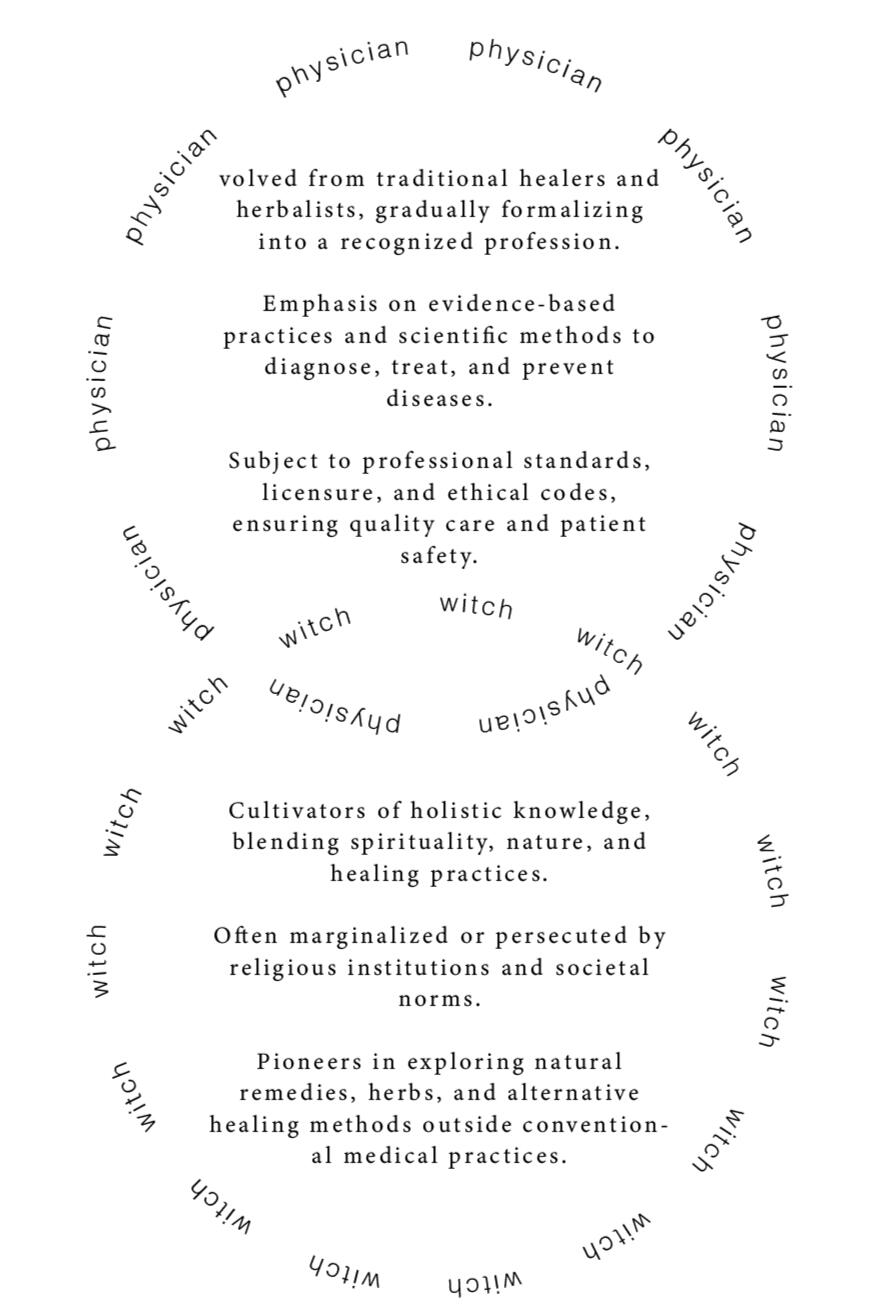
Physicians use scientific methods and tools to diagnose and treat illnesses, with a precise and regulated approach. Witches, drawing on ancient traditions, use herbs, crystals, and rituals to heal the body, mind, and spirit, guided by a holistic philosophy. Together, they represent two sides of healing: one rooted in science, the other in spiritual balance.




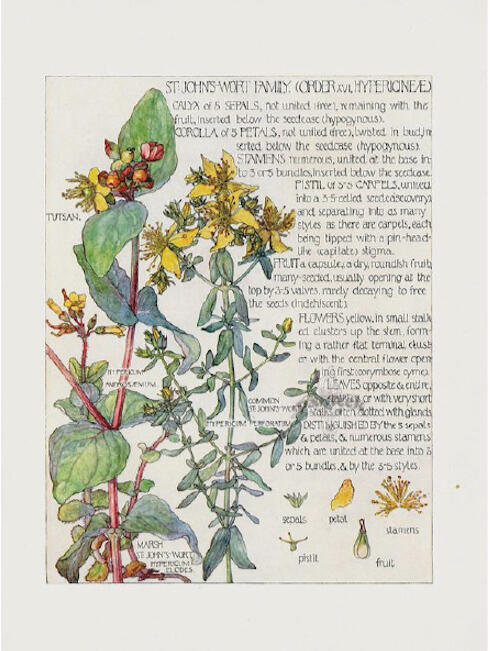
St. John's
Wort’s light,
beyond compare.
St. John’s Wort is known for its antidepressant and wound-healing properties, with compounds like hypericin and hyperforin aiding mood and skin regeneration. Spiritually, it symbolizes protection, clarity, and psychic strength, used in rituals to dispel negativity and support mental well-being. Blending science and folklore, it offers a holistic path to healing and spiritual growth.

Lavender's kiss
in dawn’s first light,
Brings peace and calm,
dispels the night.
Lavender is valued for relieving stress, anxiety, and insomnia. Scientifically, it supports wound healing when used in alginate hydrogels, boosting its antibacterial and anti-inflammatory effects. Spiritually, it's linked to peace, love, purification, and sleep, often used in rituals for relaxation and protection. Its soothing scent aids meditation and emotional balance, bridging science and spirit in holistic healing.


Hibiscus blooms
with mystic flair,
Hibiscus, rich in antioxidants, is known for supporting heart health, liver function, and weight loss. Spiritually, it represents love, passion, and femininity, often used in rituals for attraction, divination, and psychic enhancement. Rooted in ancient traditions, hibiscus bridges physical wellness and mystical energy, offering a holistic path to healing and spiritual insight.